
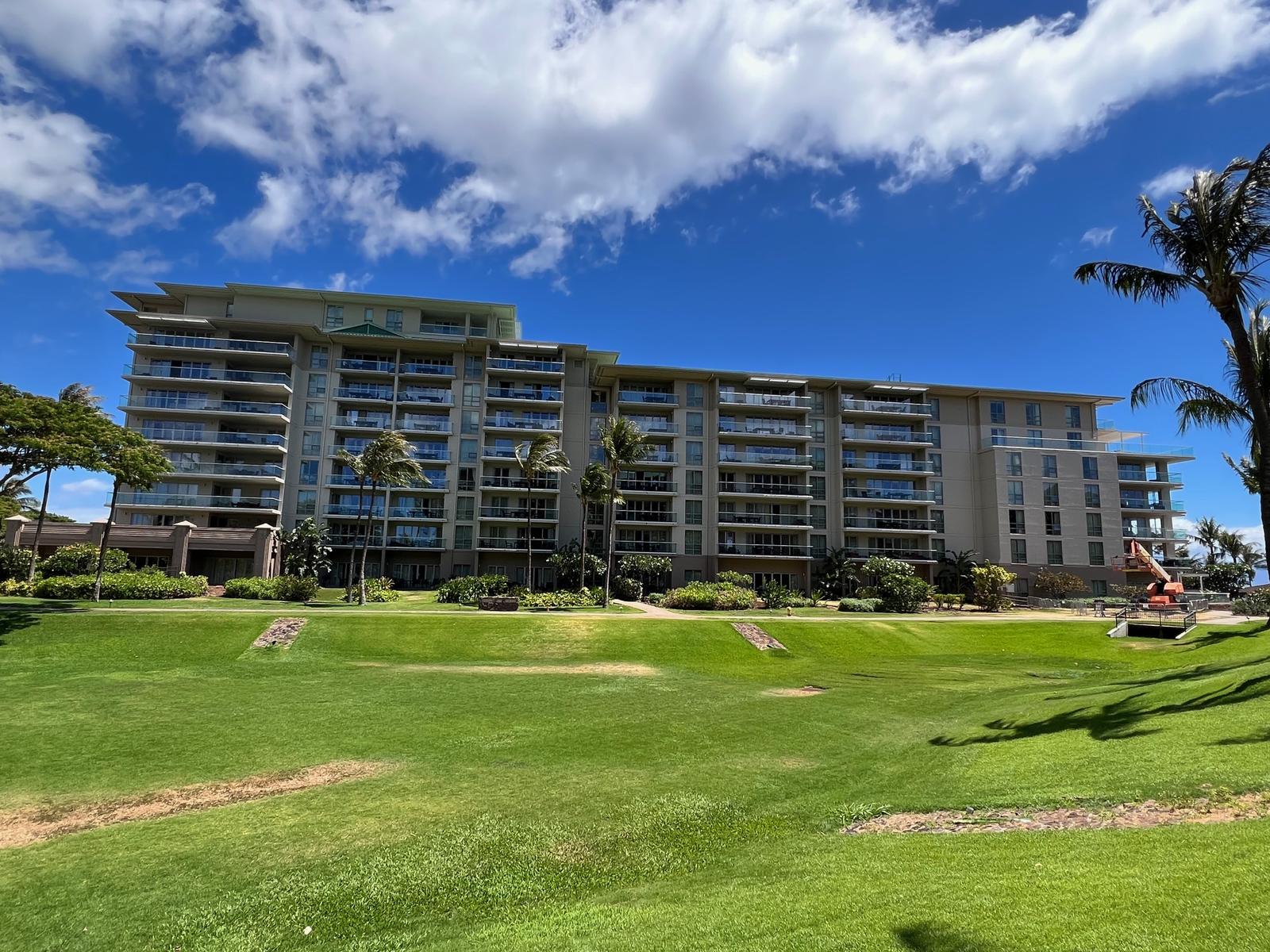
The property
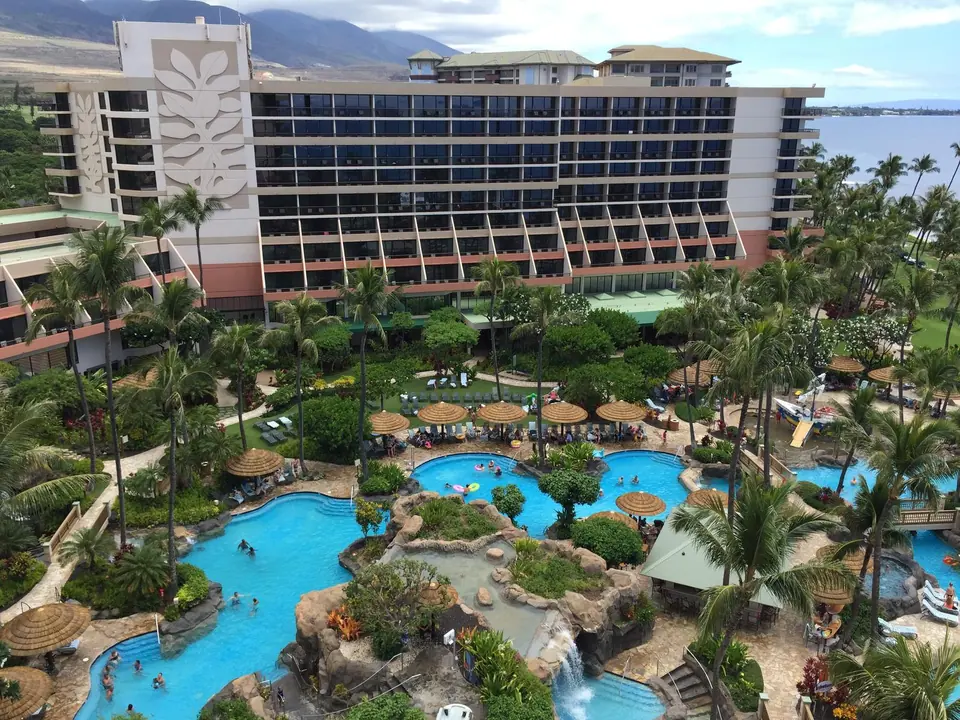
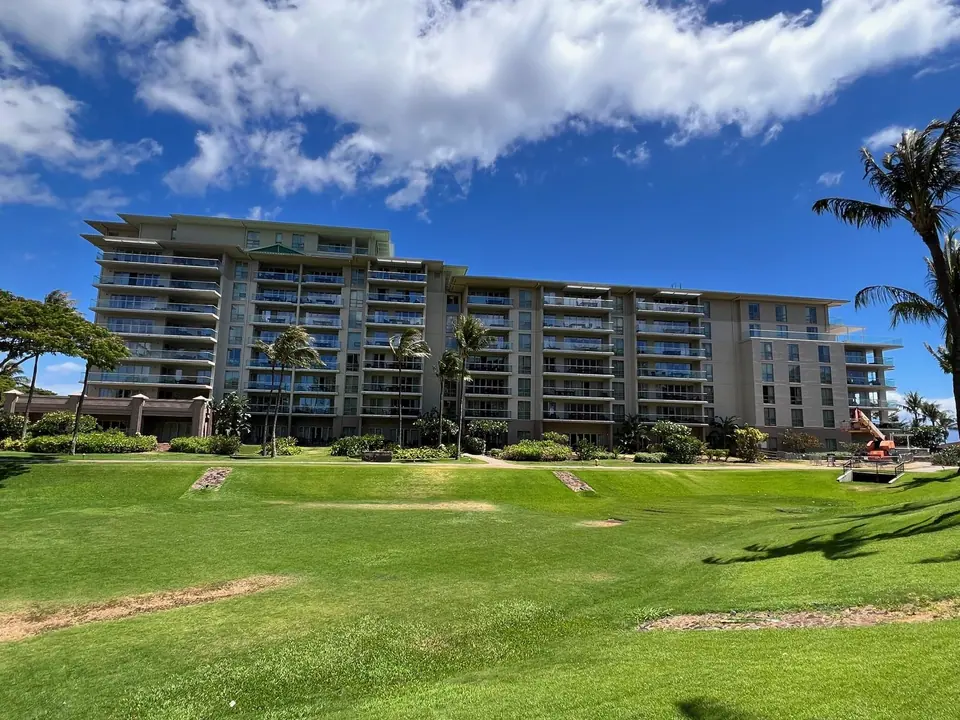
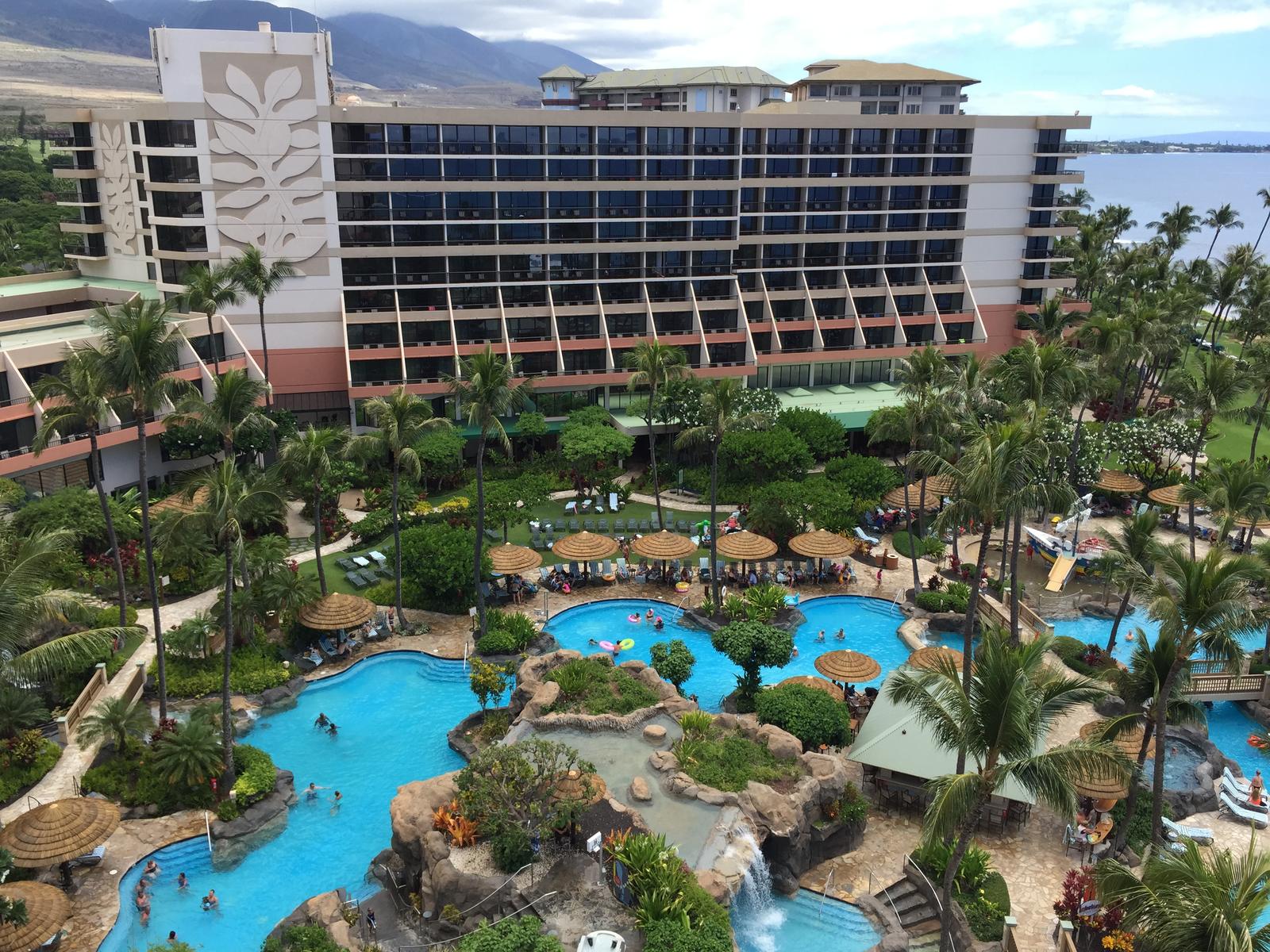
The Marriott's Maui Ocean Club stands on Kaanapali Beach on the west coast of Maui, on the strip of resort frontage between the West Maui Mountains and the channel that runs across to Lanai and Molokai.
Where the heat comes from
West-facing oceanfront is the most demanding orientation there is for glass in Hawaii. Through the morning the mountains behind the resort keep the sun off. From midday it is unobstructed, and for the last two hours of the day it arrives horizontally across open water. Kaanapali also sits in the rain shadow of the West Maui Mountains, which are among the wettest places on earth on their windward flank and keep nearly all of that weather to themselves. The leeward strip gets the clear sky instead.
Guest units on that side are glazed for the view — sliding lanai doors, full-height panels — and the view is what the room was booked for, so nothing can be done that spoils it. Meanwhile each unit is conditioned on its own, the doors get propped open, and the west elevation warms all afternoon into rooms that guests walk back into at five.
Salt is the other constant. Spray carried off the channel settles on everything, which rules out most external shading and means anything that works has to live on the inside of the glass.
It is worth separating two things that get confused here. A room can be at the right air temperature and still be unbearable, because what a person in front of a sunlit window feels is radiant heat landing directly on skin. The thermostat cannot see it. That is why turning the air conditioning down does not fix a hot lanai door — it only makes the rest of the unit cold while the seat by the glass stays unusable.
What film changes
Film is applied to the interior surface, so salt never reaches it and the exterior of the building is unchanged. A spectrally selective film rejects the near-infrared half of the solar spectrum and passes visible light, which is what lets a room stop overheating without losing the ocean, and it takes better than ninety-nine per cent of the ultraviolet with it.
The thing a careful installer raises before quoting is the glass itself. A strongly absorbing film on glazing that is already tinted, or annealed, or partly shaded by a lanai above, increases the temperature difference across the pane and with it the risk of thermal stress fracture. The specification has to be matched to the glazing rather than picked out of a brochure, which on a resort means walking the elevations before anything is priced.
If you manage a resort, a hotel or an oceanfront association on Maui, we will survey the glass and tell you what it needs. See our commercial work or request a quote.
TESTIMONIALS
What People Say

We at the waikiki shopping plaza and waikiki business plaza have used or recommended Ace Glass Tinting on eight (8) different jobs in the last few years. Our jobs ranged from small two windows (36 sq. ft.) to a very difficult...
This letter is to thank you for the great job you did on our windows and doors.
It is so wonderful, we can already tell the difference in temperature...
Thank you very much for your glass tinting services for installation of the Huper Optik 40 ceramic film on our meeting rooms (Rooms 516 & 517). This film has improved the quality of our meeting rooms by reducing the heat....
Ace Tinting tinted Paradise Cruise offices on the 6th and 7th floors of Aloha Tower and on the Star of Honolulu (1500 passenger Dinner Cruise Ship). The tinting significantly reduced heat and glare in the interior spaces....
Get a Free Quote
Need More Information?
Get a free quote
Tell us the glass you want covered and Keith will call you back to arrange a time to measure it.
Residential film from $300
Priced per square foot of glass. No charge
for the estimate.
Prefer to talk? (808) 551-5500, Mon – Sat, 8:30am – 6:00pm. Sunday closed.